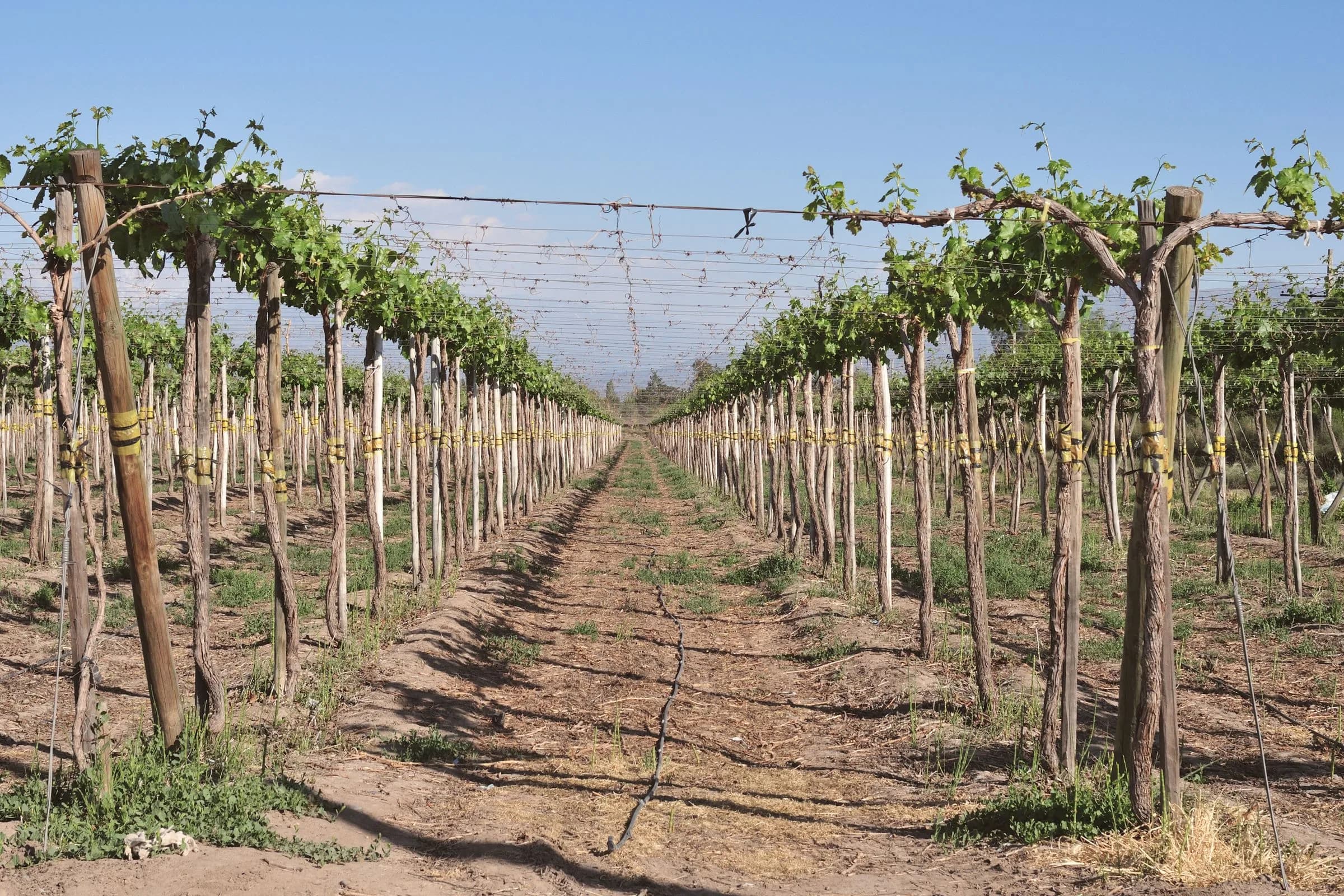
Picture vineyards stretching toward snow-capped Andes peaks, a glass of high-altitude Malbec in hand, and lunch on a terrace that runs three hours. That's the promise of wine tasting tours in Mendoza, Argentina, the country's wine capital and one of the great tasting destinations in the Southern Hemisphere.
This guide covers the best wineries, the three wine regions you'll choose between, the types of wine tours available, and when to go. It also covers something most guides skip: how to experience Mendoza without building the whole itinerary yourself. For many travelers, the best version of this trip isn't an improvised road trip. It's a curated, boutique experience where the bookings, the driver, and the lunch reservations are already handled.
Why Mendoza Is Argentina's Wine Capital
Mendoza produces roughly 70 percent of Argentina's wine, which makes it the undisputed heart of the country's wine industry. The region sits in western Argentina, near the Chilean border, where a high-altitude desert climate and Andean snowmelt irrigation create conditions few wine regions on earth can match. Add European winemaking traditions brought by 19th-century Italian and Spanish immigrants, and you get a place built for serious wine tasting.
A high-altitude wine region at the foot of the Andes
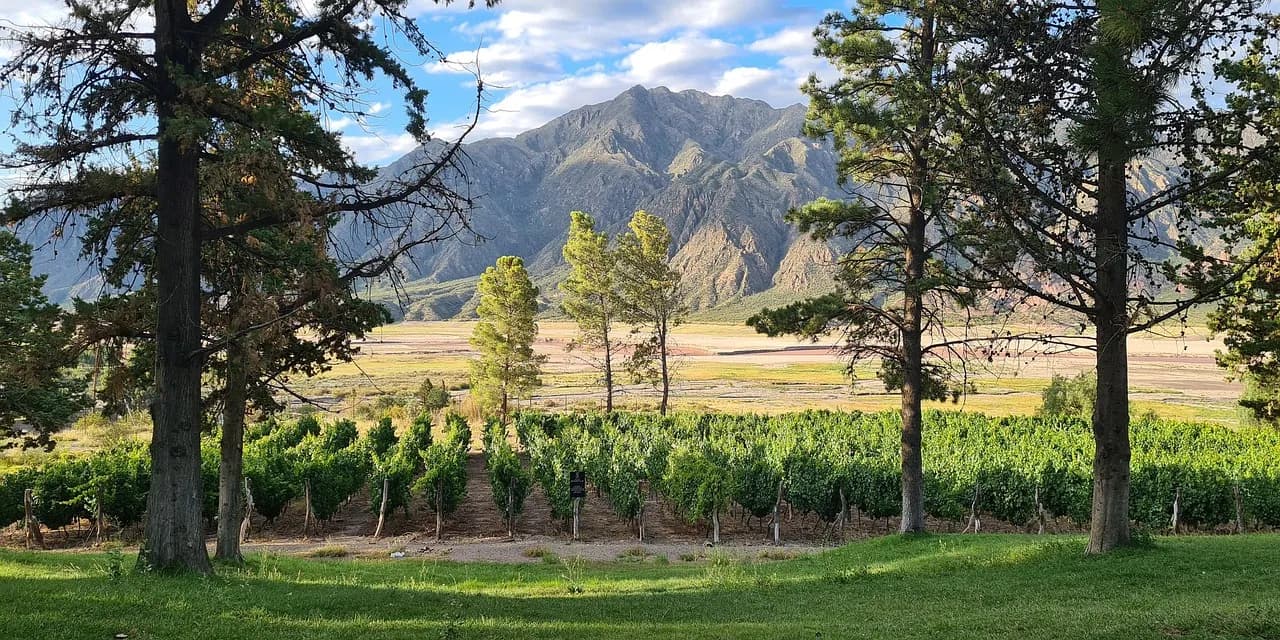
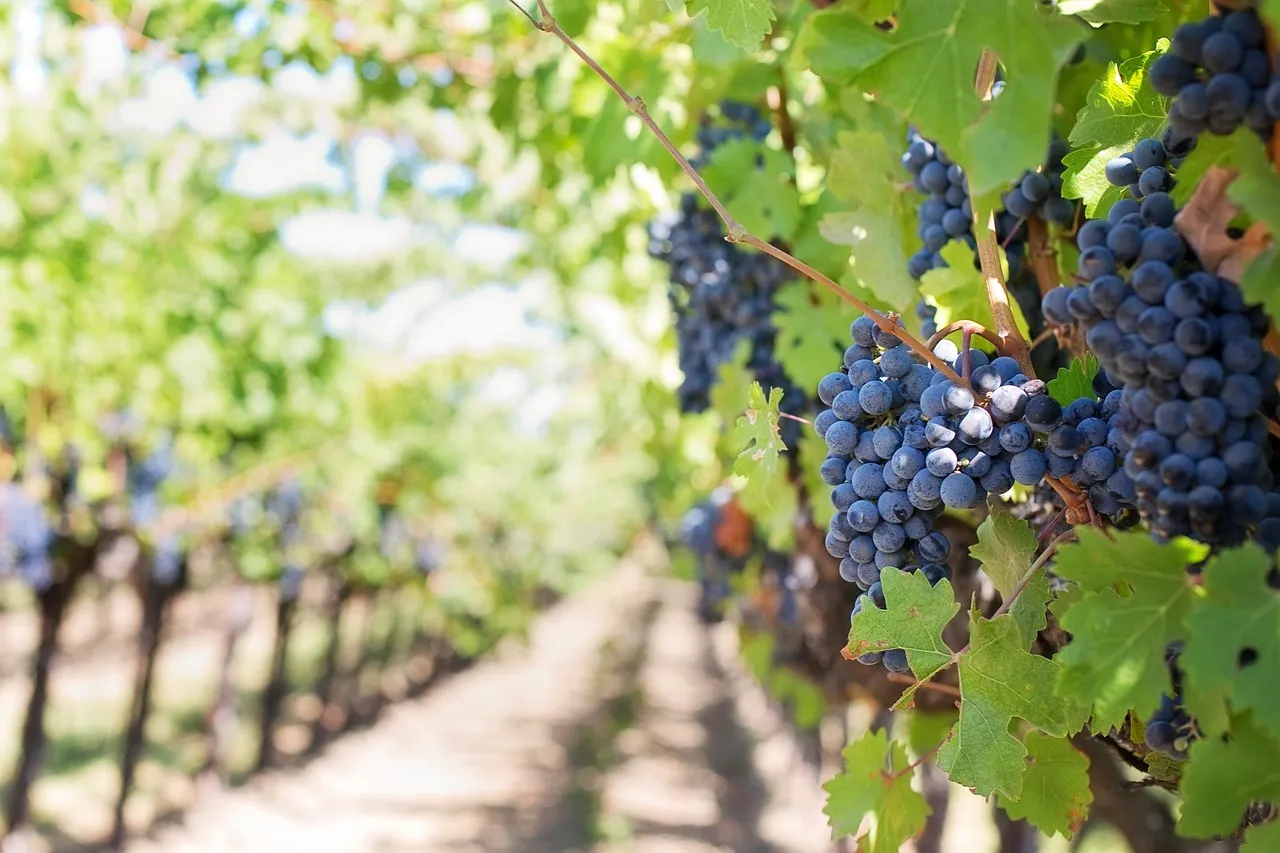
Mendoza is a high-altitude wine region, with vineyards planted from around 600 meters in the eastern plains to over 1,550 meters in the upper Uco Valley. That elevation is the whole story. Thin mountain air means intense UV exposure, which thickens grape skins and deepens color and tannin. And the desert sits in the rain shadow of the Andes, so the region gets very little rain and relies on irrigation canals fed by mountain snowmelt.
The other gift of altitude is the temperature swing. Daytime highs can pass 35°C (95°F), then nights drop to around 10°C (50°F). That cooling slows ripening overnight and locks in acidity, which is why Mendoza wine tastes fresh and structured rather than flat and jammy. Getting there is easy, too. Flights from Buenos Aires to Mendoza run about 2 hours, with several non-stop departures a day.
Malbec and beyond: the region's signature wines
Malbec is the signature grape of Mendoza, more than 40 percent of the region's red-wine grape plantings, and it's the reason most travelers come. But altitude changes how it tastes. Lower-elevation Malbec leans plummy and fruit-forward. High-altitude Uco Valley Malbec turns tense and mineral, with violet aromatics and firmer tannins.
There's more in the glass than Malbec, though. Luján de Cuyo turns out structured Cabernet Sauvignon for Bordeaux-style blends. The cool corners of the Uco Valley produce sharp, high-acid Chardonnay. You'll also find Bonarda, Argentina's second red, and aromatic Torrontés. Knowing which varietal a region does best is half of choosing where to taste.
Mendoza's Three Wine Regions: Maipú, Luján de Cuyo, and the Uco Valley
Mendoza's wine country splits into three regions, each defined by distance from the city, elevation, and wine style: Maipú (Maipu), Luján de Cuyo, and the Uco Valley. Maipu is the closest and most historic. Lujan de Cuyo is the classic Malbec heartland. The Uco Valley is the high-altitude, scenic frontier. Pick a region by how far you want to drive and what you want in the glass.
| Region | Drive from city | Elevation | Wine style |
|---|---|---|---|
| Maipú | 15–20 min | 700–850 m | Generous, warm, approachable |
| Luján de Cuyo | 20–30 min | 900–1,100 m | Dark fruit, rounded, silky tannins |
| Uco Valley | 1–1.5 hr | 900–1,550 m | High-acid, floral, mineral, tense |
Maipú: the historic, accessible region
Maipú is the historic cradle of the Argentine wine industry and the easiest region to reach, sitting just 15 to 20 minutes southeast of the city. The land in Maipu is flat and the elevation lower, around 700 to 850 meters, so the wines come out generous, warm, and approachable. Founding-era estates like Trapiche (1883) anchor the area, and Maipu also holds a standout exception in Casa Vigil, the Michelin-starred home of the El Enemigo label.
Because the bodegas line flat, tree-shaded avenues, Maipú is the one region built for bikes. Outfitters rent wheels for self-guided routes between wineries and olive-oil producers. If you'd rather not pedal, the Bus Vitivinícola runs a hop-on, hop-off circuit through Maipú's historic estates.
Luján de Cuyo: the heart of Mendoza Malbec
Luján de Cuyo is the historic home of premium Malbec, roughly 20 to 30 minutes south of Mendoza city at elevations between 900 and 1,100 meters. This is where old-vine, century-old Malbec plots live, and Lujan de Cuyo earned the first protected origin status for the grape in the Americas back in 1989.
The style here is the classic one. Sandy-loam and gravel soils give Luján Malbec dark fruit, savory tobacco and graphite notes, and broad, silky tannins built for cellaring. If your idea of Argentine Malbec is rich and rounded, Luján de Cuyo delivers it. The region is also close enough to the city to pair with a half-day in town.
Uco Valley: the premium, scenic frontier
The Uco Valley is Mendoza's high-altitude frontier, about 1 to 1.5 hours by car south of the city, climbing into the Andean foothills. Elevations run from 900 meters to over 1,550 meters, near the ceiling of where grapes will ripen. It's the most scenic region and home to many of Argentina's most acclaimed modern wines, with sub-zones like Tupungato, including the acclaimed Gualtallary district, leading the way.
Altitude defines the wine. Uco Valley reds carry heightened acidity, floral aromatics, tense structure, and a mineral edge, a clear contrast to the broader wines of Luján de Cuyo. The trade-off is logistics. The Uco Valley sits too far out for ride-sharing or casual driving, so you'll want a private driver or a guided tour, a point every Mendoza guide agrees on. The stunning views of the Andes make the drive worth it.
The Best Wineries to Visit in Mendoza
The best wineries to visit in Mendoza pair serious wine with serious hospitality, from Hall of Fame estates in the Uco Valley to Michelin-starred kitchens in Luján de Cuyo and Maipú. Which winery is best for you depends on your region and the wine style you're after, so the best pick changes from one traveler to the next. Below are the best Mendoza wineries grouped by region, all confirmed against current rankings and guides. Each winery here runs a full visitor program, so book ahead.
Top wineries in Luján de Cuyo
Lagarde, established in 1897, is a family estate that turned winery dining into a destination, and one of the best ways to anchor a day in Lujan de Cuyo. Its restaurant Zonda Cocina de Paisaje holds one Michelin Star and one Michelin Green Star in the 2024 and 2025 Michelin Guide Argentina, while a second venue, Fogón Cocina de Viñedo, carries Michelin recognition. The estate still farms Malbec vines planted in 1906. Catena Zapata is the region's most famous name, with its Mayan-pyramid winery in Luján de Cuyo (Agrelo), while its acclaimed Adrianna Vineyard sits high in Gualtallary, Uco Valley, at around 1,450 meters and is often called the Grand Cru of South America. Catena ranked No. 1 on the World's Best Vineyards list in 2023 and was then moved to the Hall of Fame in 2024 under the list's rules. Its tours are exclusive and need months of advance booking.
Top wineries in the Uco Valley
Zuccardi Valle de Uco is the valley's titan, a stone-and-concrete winery designed to echo the Andes. It won Best Vineyard in the World three years running (2019, 2020, 2021) before joining the Hall of Fame in 2022. It's a bucket-list winery, and it demands patience with the booking calendar, so book the best slots months out.
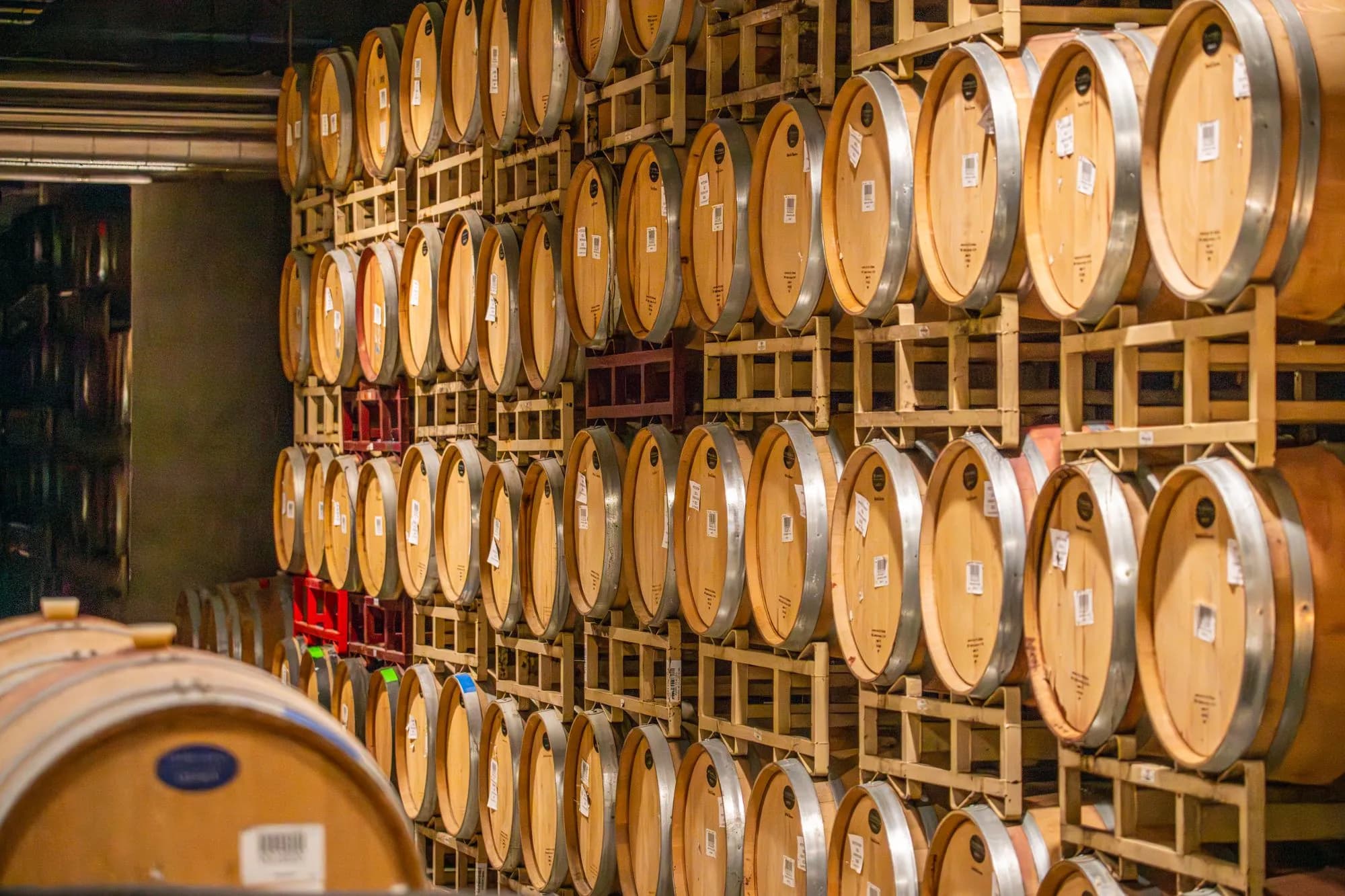
Salentein brings the drama. Its cross-shaped underground cellar holds French oak barrels around a central compass rose, and the circular central chamber doubles as an amphitheater for concerts, plus the Espacio Killka art gallery and on-site lodging. For something warmer, Bodega La Azul is a boutique, family-owned winery known for a relaxed five-course parrilla lunch with bottomless wine pairings poured from its high-altitude Malbecs. It's one of the most welcoming wineries in the valley, and a favorite for a long, unhurried winery lunch.
Wineries near Maipú and the city
Closer to the city, Maipu is the place for an easy half-day or a bike-and-wine outing. Maipu mixes founding-era classics with a standout like Casa Vigil. Trapiche, founded in 1883, is one of the oldest continuously operating wineries in Argentina and a fixture on Maipu tours, with daily guided tours, cellar visits, and multi-course pairings, all by reservation. Historic estates like Bodega La Rural, which houses a wine museum, and boutique wineries such as Tempus Alba sit along flat, bikeable avenues, and the Bus Vitivinícola circuit connects them so you can visit wineries here without a private driver. The exception is Casa Vigil, the home of winemaker Alejandro Vigil's El Enemigo label, where the cellars are themed around Dante's Divine Comedy and the kitchen holds one Michelin Star and one Michelin Green Star (2024 and 2025), with multi-course tasting menus that book out well ahead.
Types of Wine Tours in Mendoza: Private, Small-Group, and Self-Guided
Wine tours in Mendoza fall into a few clear types: private tours, small-group tours, self-drive, bike tours, and the hop-on hop-off bus. The right one depends on which region you're visiting and whether you want to drive. The further out you go, the more a private or small-group tour makes sense.
| Tour type | Best for | Trade-off |
|---|---|---|
| Private tour | Uco Valley, full flexibility | Premium cost |
| Small-group (~9 guests) | Intimate winery visits | Fixed group schedule |
| Self-drive | Close-in regions only | DUI checkpoints — risky |
| Bike | Flat, close-in Maipú | Maipú only |
| Bus Vitivinícola | Budget Maipú & Luján | Fixed circuit |
Private and small-group wine tours
Private and small-group wine tours are the standard for travelers who want to taste without managing the day. A private tour gives you a dedicated driver and guide on your own schedule. A small group tour caps attendance, usually around 9 guests, to keep each winery visit intimate. Both solve the biggest problem with Mendoza tasting: someone has to drive, and you'll be drinking. They're the most comfortable option and the one most highly recommended for the Uco Valley.
Self-drive, bike, and hop-on hop-off options
Self-drive gives you flexibility, but it comes with real trade-offs in Mendoza. The province enforces a low blood-alcohol limit, and DUI checkpoints near winery exits are common, so driving yourself between tastings is risky. Ride-sharing works for the close-in regions but falls apart for the distant Uco Valley. Bikes are the exception. In Maipú, a self-guided bike tour between nearby bodegas is genuinely pleasant. The Bus Vitivinícola hop-on hop-off circuit is the budget-friendly middle ground for Maipú and Luján de Cuyo.
How to book a wine tour in Mendoza
Booking a wine tour in Mendoza now runs almost entirely on advance reservations, and walk-ins are rarely accepted at the top estates. Bookings go through platforms like Meitre and Restorando or directly via a winery's WhatsApp. For coveted Uco Valley tastings and Michelin-starred lunches, reserve 3 to 6 weeks ahead, and longer in peak season. The simpler path is to let a curated experience handle every booking for you, so the hard-to-get reservations are secured before you land.
Planning Your Mendoza Wine Tasting Trip
Planning a Mendoza wine tasting trip comes down to four decisions: when to go, how to structure your days, what to budget, and where to stay. Get those right and the tasting takes care of itself. Here's how each one tends to shake out.
Best time of year for wine tasting
The best time to visit Mendoza for wine tasting is October through April, when the weather is warm and the top wineries are in full swing. March is the headline month: it brings the Vendimia, the grape harvest festival, with wineries buzzing and the biggest crowds of the year. For a calmer trip, the shoulder seasons (October to November and late March to April) deliver good weather and easier reservations. Winter (June to August) is quieter, with estates pivoting to hearty gastronomy and asados, plus proximity to Andean ski resorts. For a deeper seasonal breakdown across the country, see our guide to the best time to visit Argentina.
What a typical wine tour day looks like
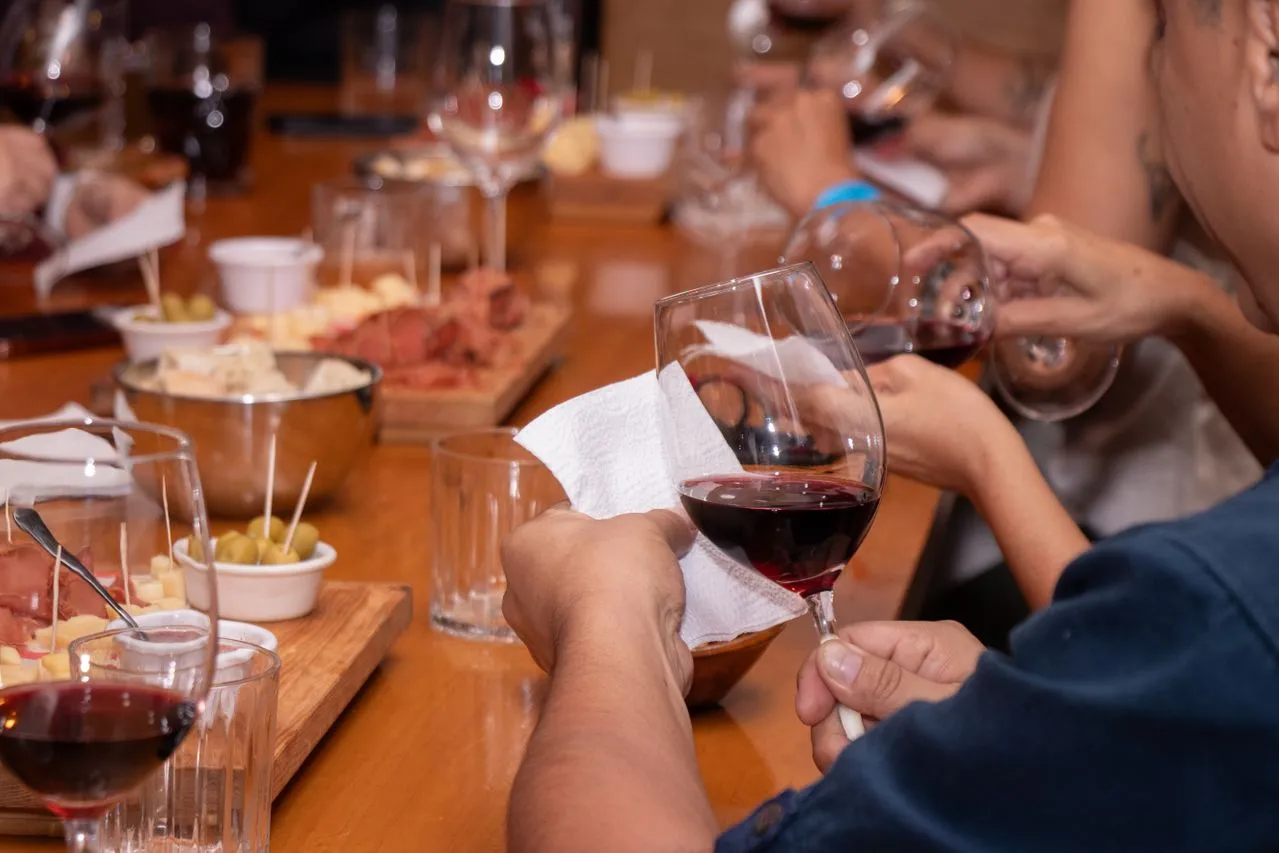
A typical Mendoza wine tour day tops out at three wineries, because transit and long lunches eat the clock fast. The usual rhythm is a technical tour and tasting around 10:00 AM, a second shorter tasting late morning, then a long winery lunch at 1:00 or 1:30 PM. Those lunches are multi-course affairs with wine pairings that run 1.5 to 3 hours, so don't overpack the day. Most top winery restaurants handle vegetarian, vegan, and gluten-free requests if you flag them when you book.
What to expect to spend
Wine tasting in Mendoza is no longer the bargain it once was. Standard tastings that cost as little as $7 to $15 USD in 2018 had climbed to roughly $50 USD by 2024, putting the region on par with US and European pricing. Costs scale sharply with prestige: a standard Maipú tasting runs low, a reserve flight in Luján de Cuyo sits in the middle, and an icon tasting and lunch at a Hall of Fame estate can run into the hundreds per person. A curated experience folds tastings, lunch, transport, and reservations into a single transparent package, which makes the real cost easier to plan for.
Where to stay
Where you stay shapes how efficient your days feel. The city of Mendoza offers urban convenience and the widest range of hotels. Chacras de Coria, a leafy suburb about 20 minutes south in Luján de Cuyo, is the favorite base for travelers who want boutique comfort close to the wineries. For full immersion, the Uco Valley has striking vineyard lodges where you wake up among the high-altitude vines. A curated package usually pairs a boutique hotel with the tasting itinerary so the two actually line up.
Beyond the Glass: Experiencing Mendoza the Curated Way
Here's the part most Mendoza guides leave out. Pulling this trip together yourself is real work: choosing wineries across three regions, lining up a driver, locking in lunch reservations weeks ahead, and absorbing prices that have jumped sharply. One poorly planned day, a missed booking or a tasting that doesn't match your taste, can waste a leg of the trip. The alternative is to let someone who knows Mendoza handle it.
A done-for-you boutique wine experience (Mendoza and Buenos Aires)
A curated, done-for-you wine experience removes the planning burden entirely. Instead of stitching together bookings, you get a boutique itinerary where the wineries are selected, private transport is arranged, paired winery lunches are reserved, and a boutique hotel is set, all organized in advance. Horizon Travel Auctions builds exactly this kind of trip as a curated Mendoza wine country experience, often paired with a boutique Buenos Aires stay so you bookend the vineyards with the capital. It's the difference between assembling a trip and stepping into one.
When the trip is a prize: wine tours as a charity auction experience
A Mendoza wine experience also makes an exceptional charity auction item. Because the destination combines Andean scenery, luxury lodges, Michelin-starred dining, and structured private tours, it carries the kind of perceived value that drives competitive bidding at a fundraiser. For the nonprofit, the appeal is the risk-free structure: the package is offered with no upfront cost, the organization keeps 100% above the base amount, and winner fulfillment is done for you. It's the same curated trip, framed as a prize that raises money. You can read more about how charity travel auctions work or explore auction packages for nonprofits.
Make Mendoza the Easy Part of the Trip
Mendoza rewards travelers who taste with intent: three regions to choose from, from accessible Maipú to high-altitude Uco Valley; standout wineries like Catena Zapata, Zuccardi, Trapiche, and Lagarde; private and small-group tours that spare you the driving; and a window from October to April that suits most visits. The wine is the easy part. The logistics are where trips go sideways.
That's the case for experiencing wine tasting tours in Mendoza, Argentina the curated way. If you'd rather have the wineries, driver, lunches, and hotel handled for you, send an inquiry about the Mendoza Wine Country experience. And if you're a nonprofit looking for a standout auction item, a Mendoza wine trip is a risk-free way to start raising more.