The best time to visit Argentina is during the shoulder seasons: spring (September to November) and autumn (March to May). You get good weather, thinner crowds, and the country at its most photogenic. November is the single sweet spot before the summer heat lands. But Argentina is the size of a continent, and its seasons run opposite to the Northern Hemisphere, so the right month depends entirely on where you're going.
This guide breaks the timing down by region and by month. The south, the capital, the winelands, the northwest desert, and Iguazu Falls each peak at a different point in the year. Get the window right and the trip rewards you. Get it wrong and you're hiking in snow or sweating through jungle humidity.
When Is the Best Time to Visit Argentina?
For most travelers, the best times to visit Argentina are the shoulder seasons: spring (September through November) and autumn (March to May). Temperatures stay comfortable, the worst crowds have gone, and fine conditions hold across the central regions. November is the standout month, with jacarandas in bloom and the country waking up before the December rush.
There's no single answer, though. Patagonia opens up in the austral summer. The capital and the winelands shine in spring and autumn. Iguazu Falls is best in the cooler months, and the arid northwest follows its own calendar. The country runs roughly 3,650 kilometers (about 2,270 miles) from its subtropical north to the subantarctic tip of Tierra del Fuego, so timing is always a regional call. The sections below tell you exactly when to go.
| Region | Best time | Why |
|---|---|---|
| Patagonia | Oct–Apr | Long days, trekking routes and glaciers open |
| Buenos Aires | Sep–Nov / Mar–May | Mild low-20s°C; jacarandas bloom in November |
| Mendoza | Mar–Apr | Harvest season and golden vineyards |
| Salta & Northwest | Apr–Nov | Dry season; clear skies and mild days |
| Iguazú Falls | Mar–May / Aug–Nov | Cooler, far less crowded, strong water flow |
Argentina's Seasons at a Glance
Argentina sits in the Southern Hemisphere, so its seasons are flipped. Spring (September through November) brings flowers, mild temperatures, and the start of the nature-watching calendar. Summer (December to February) is peak season: long days, warm weather, and prime conditions for trekking in the south and Atlantic beach trips to Mar del Plata or Pinamar, but also the hottest and busiest stretch.
Autumn (March to May) delivers the wine harvest, golden vineyards, and fiery southern forests. Winter (June to August) is for fresh powder in the Andes and southern right whales off the coast. Use this as your map of the best months to visit: between December and March the far south is open and the cities swelter, while the shoulder months balance both. One season never fits all of it.
Best Month to Visit Argentina, in One Line
If you want a single month, choose November: warm-but-not-hot cities, blooming jacarandas, reopening southern estancias, and active wildlife at Península Valdés, all before the December high-season rush. The quick read by goal: trek Patagonia in January, taste the wine harvest in March, watch whales in September and October, ski the Andes in July, and hike the high-desert northwest in April or September.
Argentina Climate Table by Season
Argentina's climate splits sharply by region. The table below shows representative daytime highs, drawn from 1991–2020 climate normals, so you can match a destination to a comfortable window. Treat them as seasonal averages and verify exact dates close to travel, since a warming climate is making norms less predictable.
| Destination | Summer (Jan) | Autumn (Apr) | Winter (Jul) | Spring (Oct) |
|---|---|---|---|---|
| Buenos Aires | 86°F (30°C) | 74°F (23°C) | 60°F (15°C) | 73°F (23°C) |
| Bariloche / Lake District | 74°F (23°C) | 59°F (15°C) | 44°F (7°C) | 59°F (15°C) |
| Mendoza | 91°F (33°C) | 74°F (23°C) | 60°F (15°C) | 78°F (26°C) |
| Iguazú Falls | 90°F (32°C) | 82°F (28°C) | 73°F (23°C) | 84°F (29°C) |
| Ushuaia / Tierra del Fuego | 57°F (14°C) | 49°F (9°C) | 40°F (5°C) | 50°F (10°C) |
| Salta / Northwest | 77°F (25°C) | 68°F (20°C) | 59°F (15°C) | 73°F (23°C) |
The pattern is clear. Iguazú and Mendoza run hot in January. The far south stays cool even in midsummer and turns cold by July. Buenos Aires and the northwest land in the comfortable middle through the shoulder months.
Best Times to Visit Patagonia
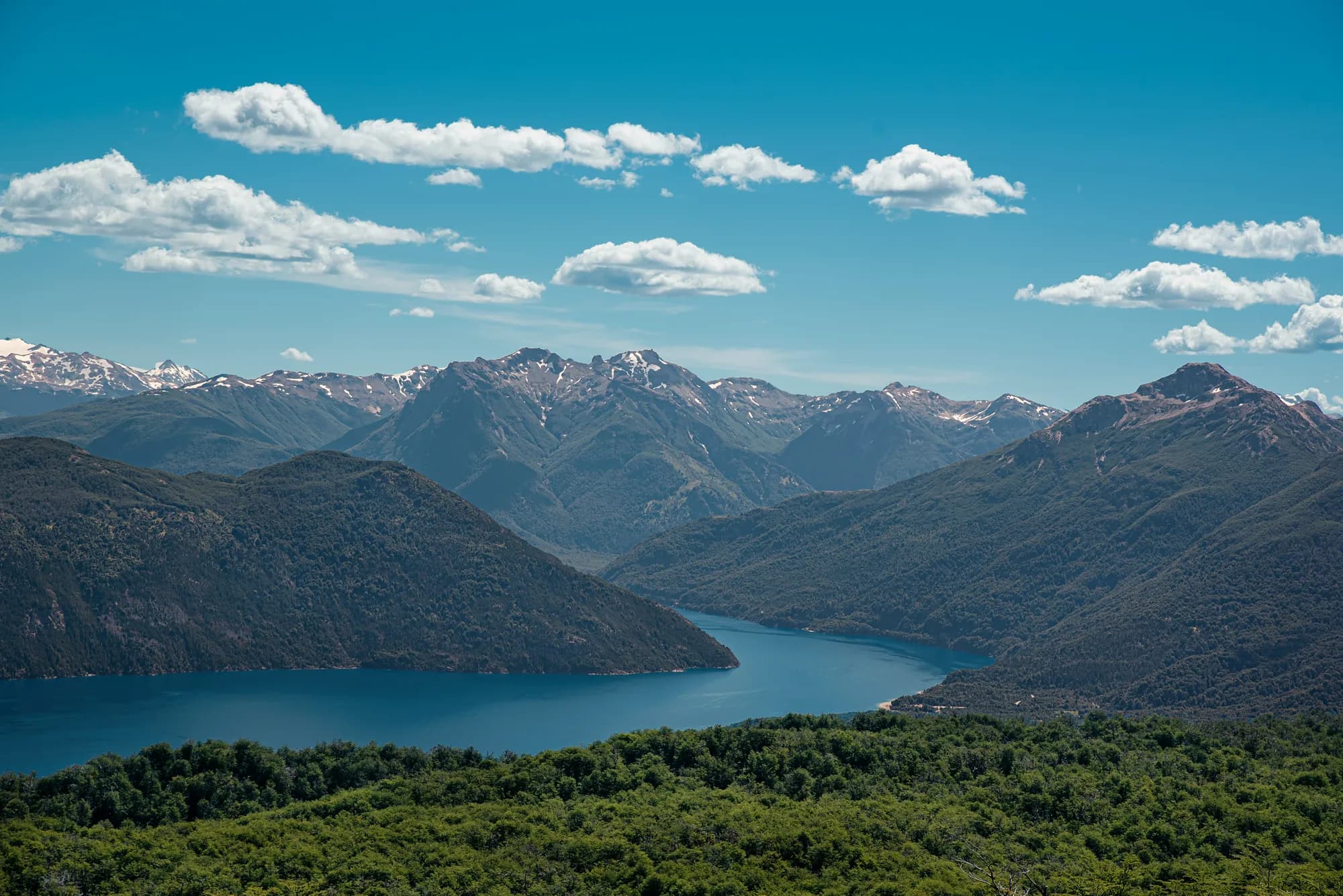
The best time to visit Patagonia is the austral summer, October through April. Days stretch long, the trekking routes around El Chaltén and Los Glaciares open up, and the deep cold recedes. Around Bariloche in the Lake District, January highs reach about 23°C (74°F), ideal for the lakes and the trails.
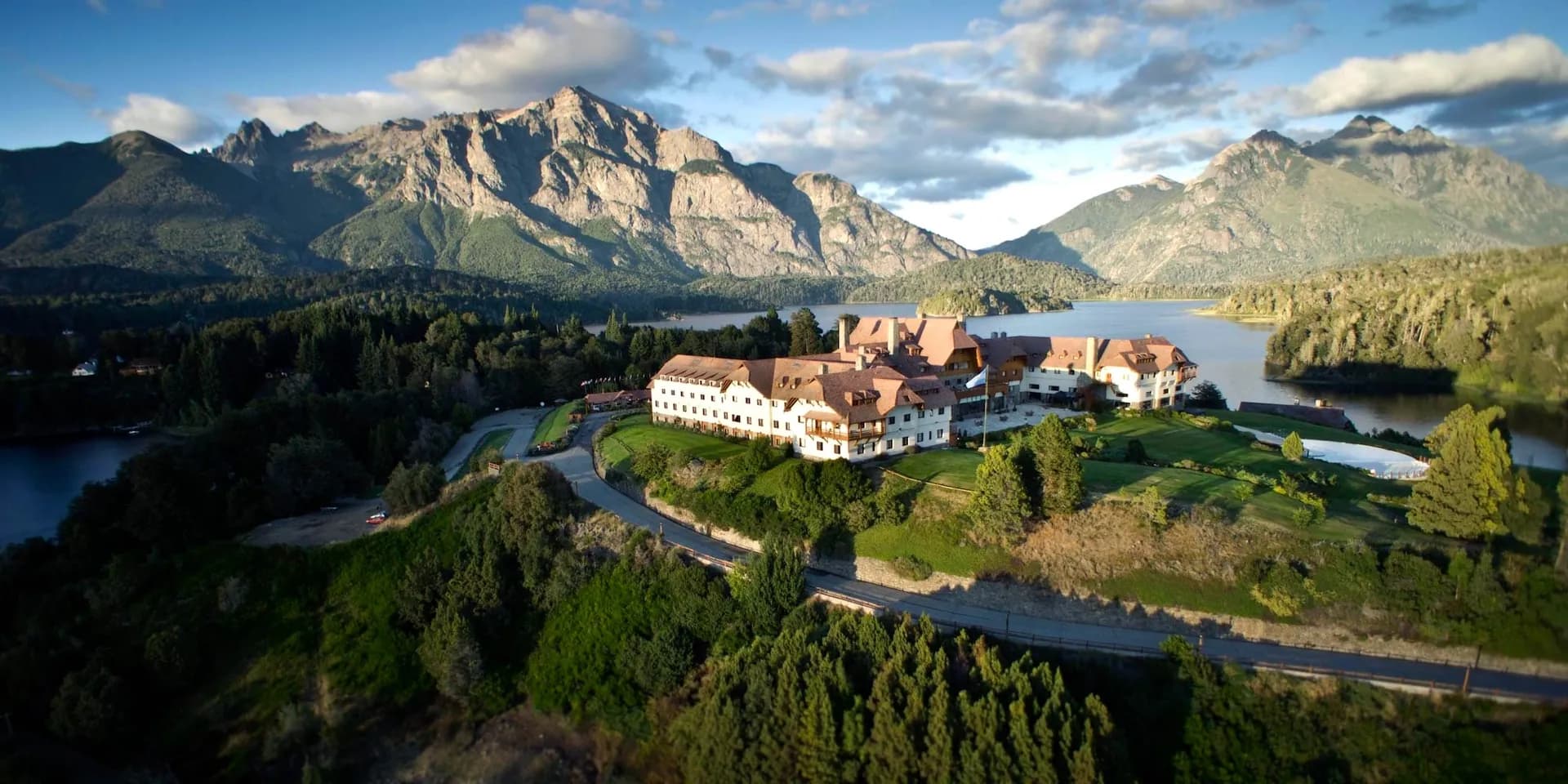
The region isn't one climate. The north around Bariloche has dry, mild summers and snowy winters. The far south (El Calafate, Ushuaia, and the granite spires of Los Glaciares) runs colder and windier, with weather that swings through sun, rain, and gusts in a single hour. Heat does happen: in January 2026, El Calafate hit a record 30.4°C (86.7°F), verified by Argentina's national weather service. For glacier walks and high trails, target Los Glaciares National Park in summer or the autumn shoulder, when the beech forests turn crimson and gold by mid-April and the top lodges sit nearly empty.
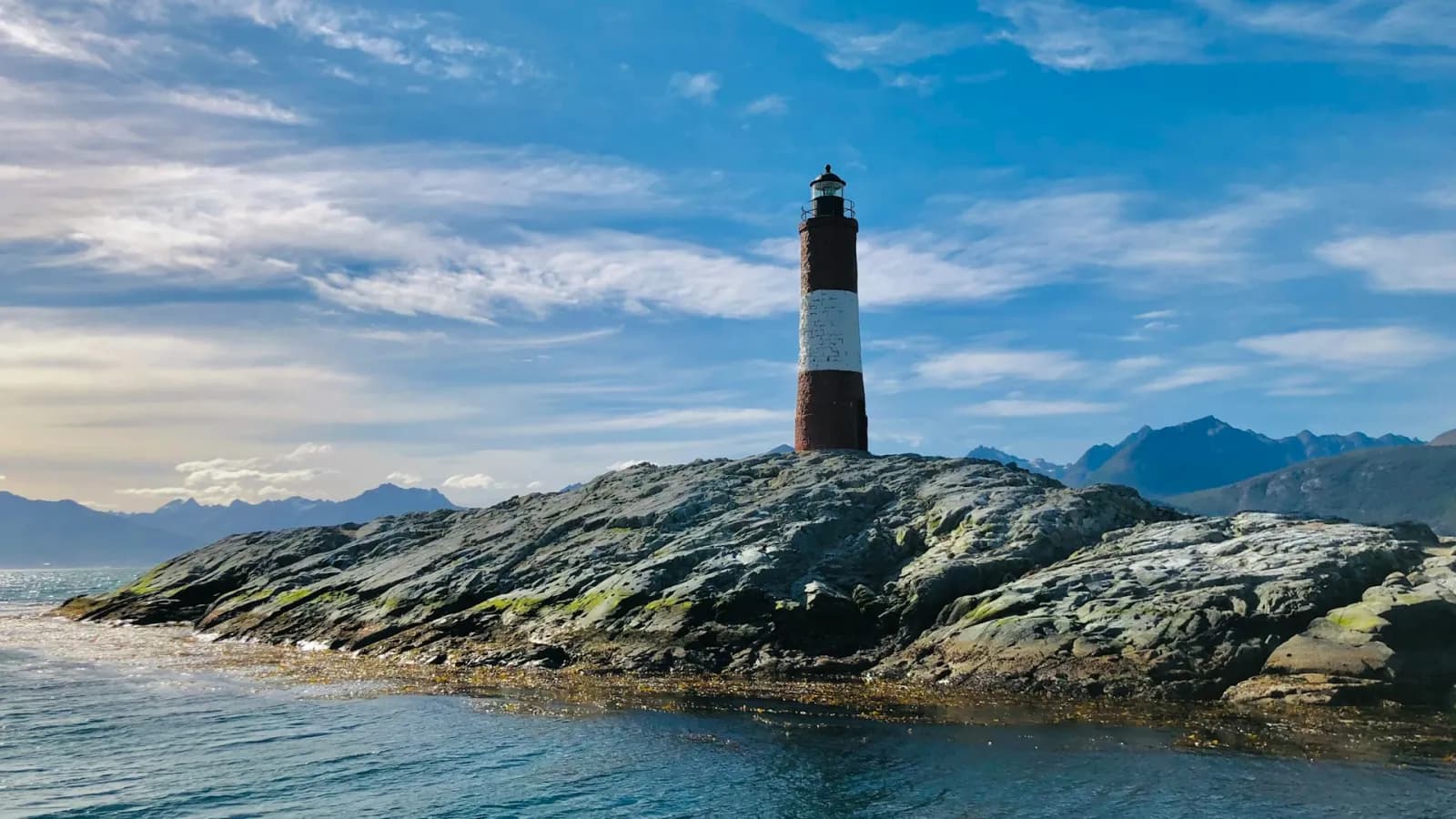
Ushuaia, the world's southernmost city, is the main gateway for Antarctica cruises, which sail from December to February. Wildlife runs its own clock. Southern right whales gather off Península Valdés from early June to mid-December, peaking for boat trips in September and October. Magellanic penguins fill Punta Tombo from September to April, the largest colony of its kind on earth, with 400,000 to 600,000 birds at the breeding peak. The cold months belong to skiers: Cerro Catedral, the largest resort in South America, and Cerro Castor in the far south, the southernmost on the planet, open their lifts around June 26 or 27, and winter sports take over the mountains.
That fiery, near-deserted autumn window is what our Patagonia and Buenos Aires experience in the Lake District is built around. Send an inquiry to match your dates to the season.
Fly Fishing in Patagonia
The southern trout season is set by law: it opens November 1 and closes May 1. The early window, November to late December, brings high, cold water and aggressive fish chasing streamers. January to mid-March is the dry-fly apex, with mayfly and terrestrial hatches driving surface action. Autumn (mid-March to May 1) is the trophy window, when big browns and rainbows push up the tributaries before the winter spawn.
Legendary watersheds anchor the freestone fishing here, among them the Chimehuín, Collón Curá, and Caleufú. For anglers, the month is everything, which is why a curated Patagonia fly fishing trip is timed to a specific hatch or the autumn trophy run rather than a generic week on the water. Send an inquiry and a specialist will build the dates around your target season.
Best Times to Visit Buenos Aires
The best time to visit Buenos Aires is spring (September to November) or autumn (March to May). Daytime temperatures settle into the low-to-mid 20s°C (low-to-mid 70s°F), perfect for unhurried walks through Recoleta and long dinners in Palermo courtyards. Come in November for the jacarandas, when violet blossoms wash the avenues against the grey stonework from mid-October through the end of the month.
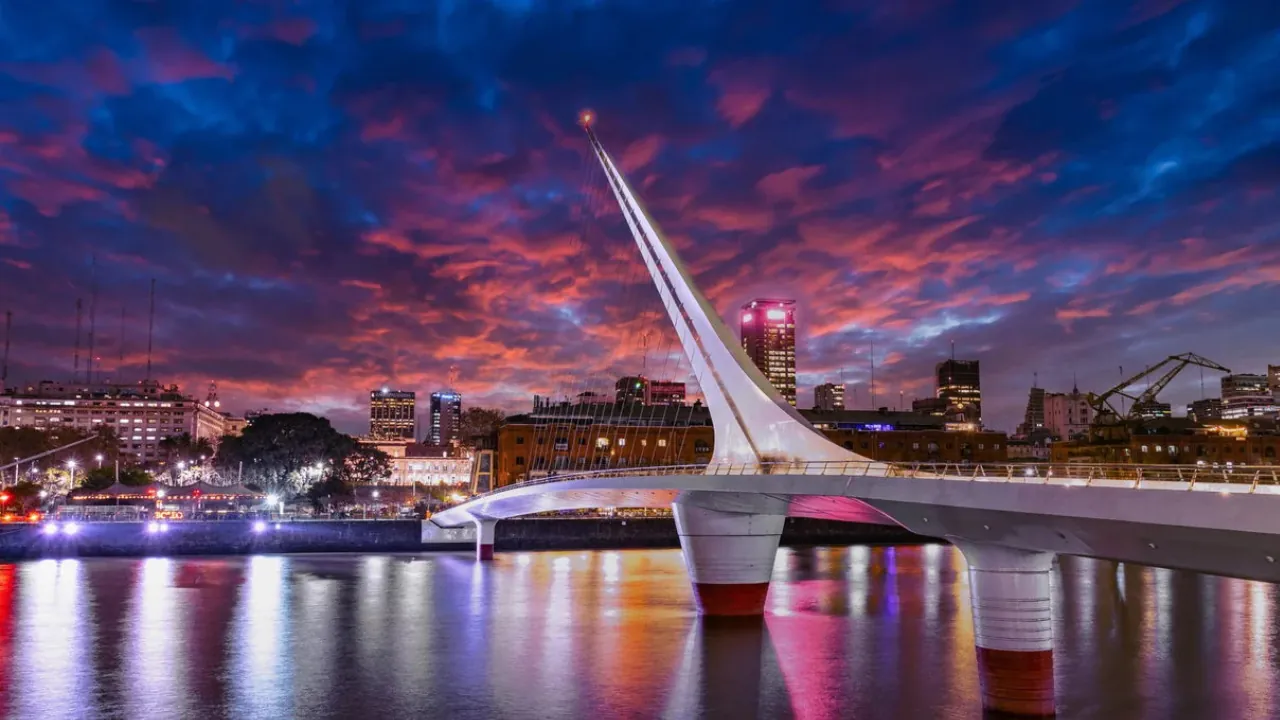
Skip January and February if you can. Midsummer highs push past 30°C (86°F), the air turns heavy and humid, and the heat breaks into thunderstorms. The trade-off: porteños leave for the coast, so the streets stay quiet. Winter (June to August) is mild, with highs near 15°C (60°F) and no snow, suiting the Teatro Colón and long lunches in traditional parrillas. Late August fills the calendar with the Tango Festival, two weeks of mostly free shows and championship dancing with the country's best tango dancers, enough to make the cool season worth a trip on its own.
For travelers who want the capital's quiet-luxury culture and dining at the right moment, our quiet-luxury experience in Recoleta is built for the spring and autumn windows when the city is at its most walkable. Send an inquiry to plan your dates.
Best Times to Visit Mendoza & Wine Country
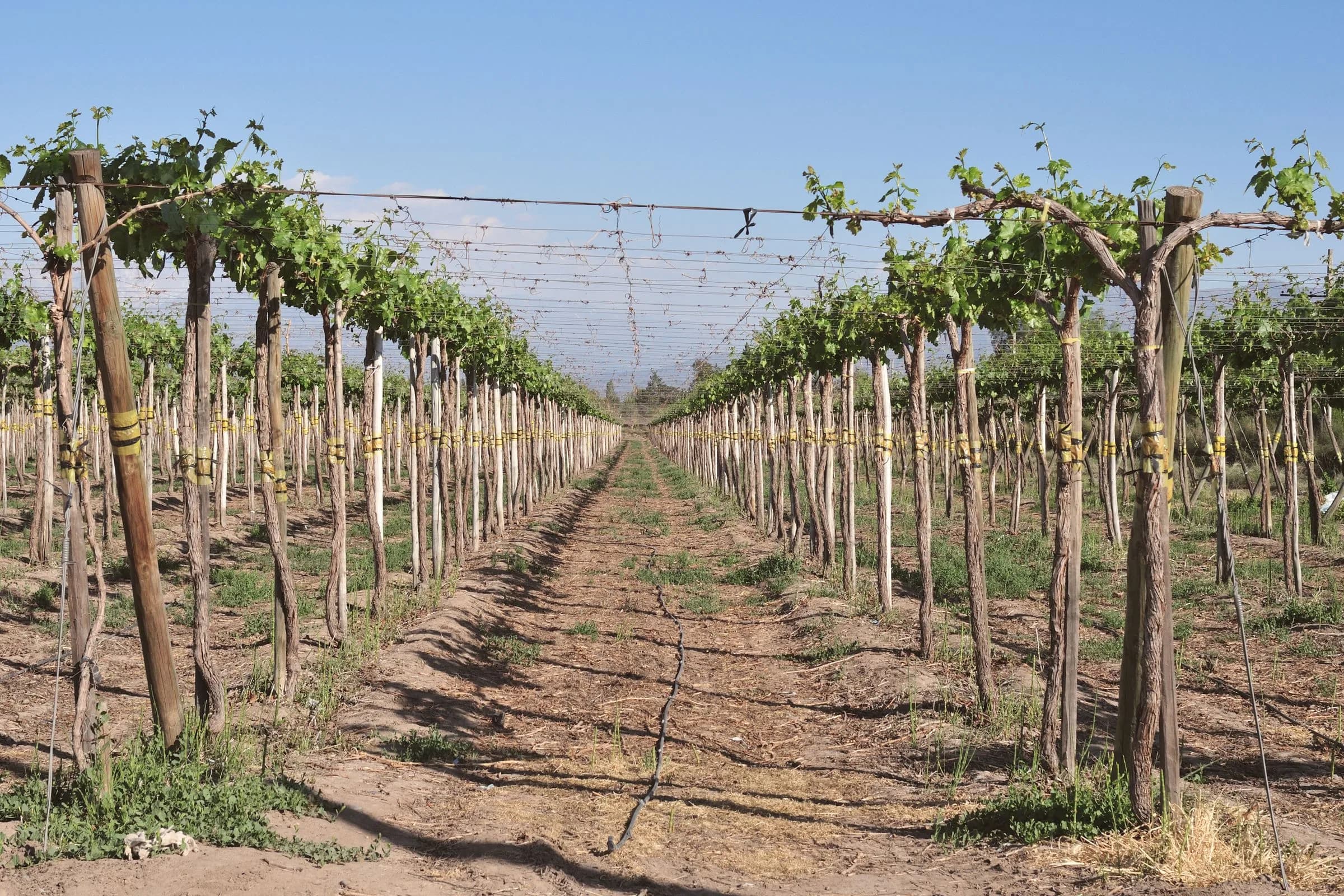
The best time to visit Mendoza is autumn, March through April, the heart of the harvest season. The vineyards hang heavy with fruit, the days stay warm, and by late April the rows of vines turn red, yellow, and gold. Nights cool sharply, the swing that gives Argentine Malbec its depth.
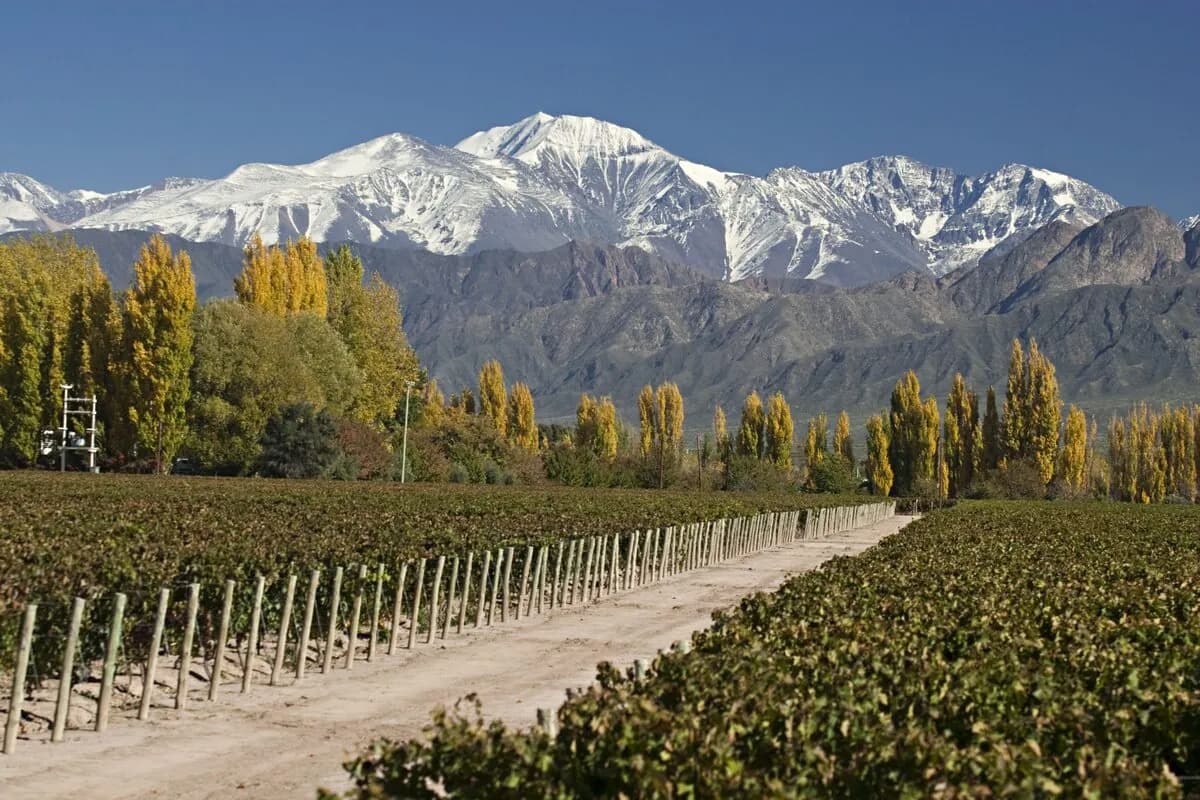
This is the leading wine region of the country, holding around 75% of its vineyards and producing roughly 70% of its wine. It sits in the rain shadow of the Andes near Aconcagua, so it stays dry all year, with rainfall barely topping 250 millimeters. Spring and early summer make a strong alternative, with green vines and warm days outside the harvest crush, though January highs can top 33°C (91°F).
The cultural anchor is the Mendoza Wine Festival, the Fiesta Nacional de la Vendimia, peaking the first weekend of March with the Vía Blanca and Carrousel float parades and a theatrical performance at the Frank Romero Day amphitheater. Because exclusive vineyard estates book up to a year ahead for the crush, our boutique wine-country experience works just as well in the quieter, sun-drenched spring as it does at the height of the harvest. Send an inquiry to lock in the season.
Best Time to Visit Salta & the Northwest
The best time to visit Salta and Argentina's arid northwest is the dry season: April through November, with April and September the standouts. This high-desert region is hot and wet in summer (January and February bring rain and oppressive heat), so the shoulder months deliver clear skies, mild days, and comfortable conditions for exploring on foot. November is the last window before the summer heat takes hold.
This is desert country, dramatically different from the rest of Argentina. The legendary Quebrada de Humahuaca, with its layered rock colors and well-preserved 16th-century architecture, sits best under the dry-season sun. The cactus-studded terrain of Los Cardones National Park rewards the same clear, rain-free months. Daytime highs here sit around 25°C (77°F) in summer and a comfortable 20°C (68°F) in autumn, though the altitude keeps the nights cool year-round. Like the winelands to the south, the northwest also runs a wine harvest in autumn, so March and April pair vineyards with desert scenery.
Best Times to Visit Iguazu Falls
The best time to visit Iguazu Falls is the cooler shoulder months, March to May and August to November. The summer heat eases into comfortable highs in the mid-to-high 20s°C (70s–low 80s°F), the water stays impressive, and the catwalks are far less crowded. The falls sit in the humid Atlantic Forest and stay hot all year, so the choice here is about comfort as much as spectacle. These are the best months to go if you want the spectacle without the swelter.
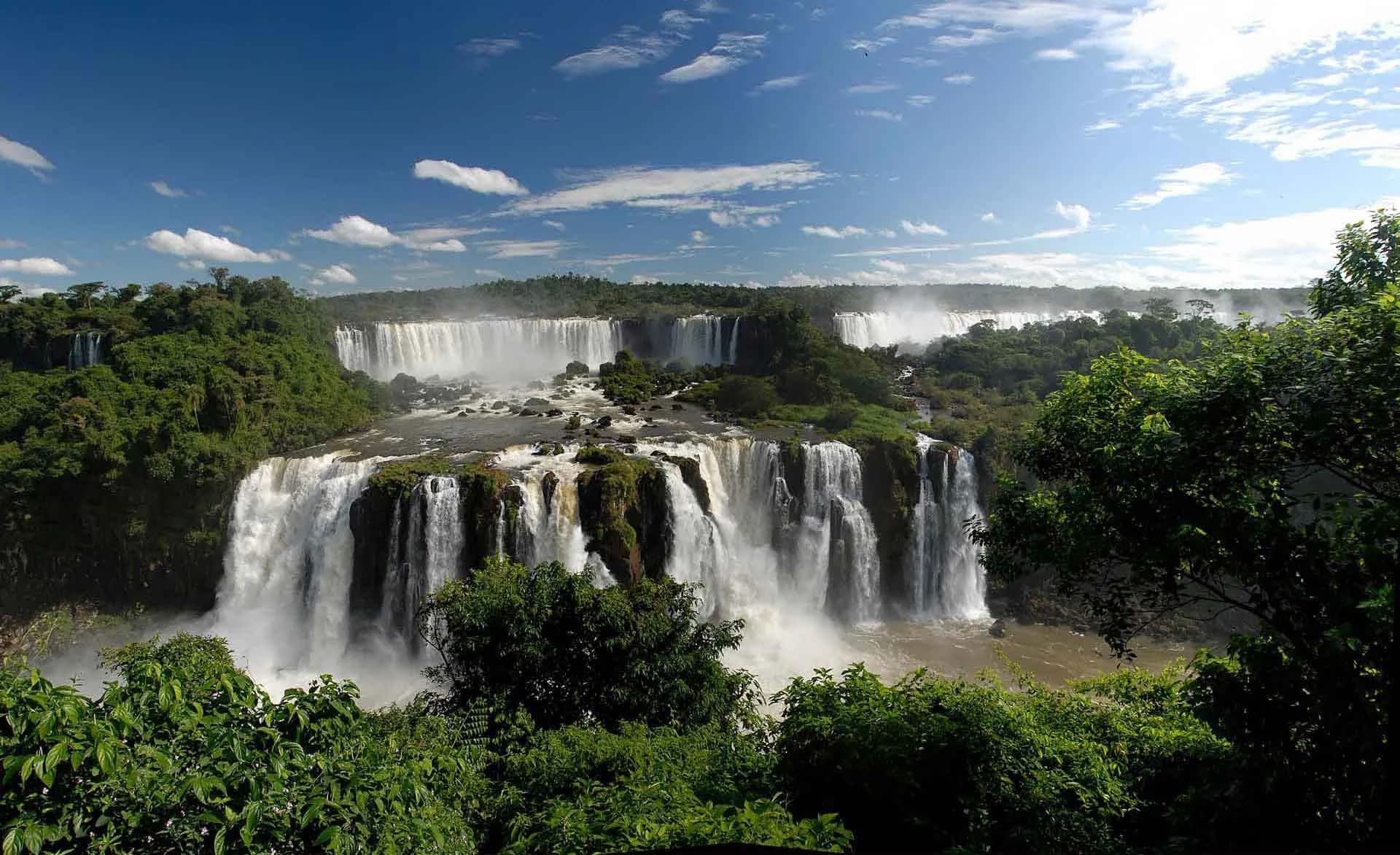
Summer (December to February) is the wettest and hottest stretch, with highs near 32°C (90°F) and thick jungle air. The upside is raw power: the rivers swell to peak volume and the cascade thunders, though the spray can obscure the view. The Garganta del Diablo (Devil's Throat) drops 82 meters into the gorge and accounts for about half the river's flow. The whole system is a UNESCO World Heritage Site and a protected national park rich in wildlife, from toucans to coatis.
This corner of the northeast pairs naturally with a city stay, and the calmer-water months make the contrast easiest to enjoy. Our Iguazú Falls and Buenos Aires experience links the jungle and the capital in a single trip. Send an inquiry to set the dates around the calmer-water months.
Iberá Wetlands: Wildlife & Golden Dorado Season
The Iberá wetlands in the northeast are a year-round wildlife destination, best for birding and game viewing from April through September, when cooler air, fewer mosquitoes, and seasonal migrations bring out the caimans, capybaras, and marsh deer. Migratory birds return through September and October. May and June are especially good for spotting animals across the marshes.
For anglers, the same wetland and the Upper Paraná hold golden dorado, with the best fishing in two windows: mid-February to May and September to December. The spring window, October and November, is the prize, when the dorado feed hard before spawning and water temperatures sit at the ideal 23–28°C. Known as the "Tiger of the River," it is an explosive, acrobatic predator that hammers large surface flies. A high-touch golden dorado fly fishing experience in the Iberá wetlands targets these peak windows and skips the brutal January heat. Send an inquiry and a specialist will align the trip with the run.
High, Shoulder & Low Season: Costs & Value
Is Argentina expensive for tourists? It depends on when you go. The shoulder seasons, September to November and March to May, offer the best balance of weather, smaller crowds, and boutique accommodation availability. That's where the value sits.
High season runs December to February, with the festive stretch from December 20 to January 5 the most in-demand of all; premium lodges book out months ahead. The low season, June to August, is quietest everywhere except the ski regions, where it flips into the alpine high season. Timing shapes the whole experience, from room availability to which regions are at their best. Rather than quote a fixed price, our Argentina specialists tailor each itinerary to the right window. Send an inquiry to start that conversation.